You've probably seen lines on contracts labelled "Witness" — but what does a witness signature actually mean, when is it legally required, and who qualifies? This complete guide covers everything so you never sign (or witness) a document in the wrong way.
What Is a Witness Signature?
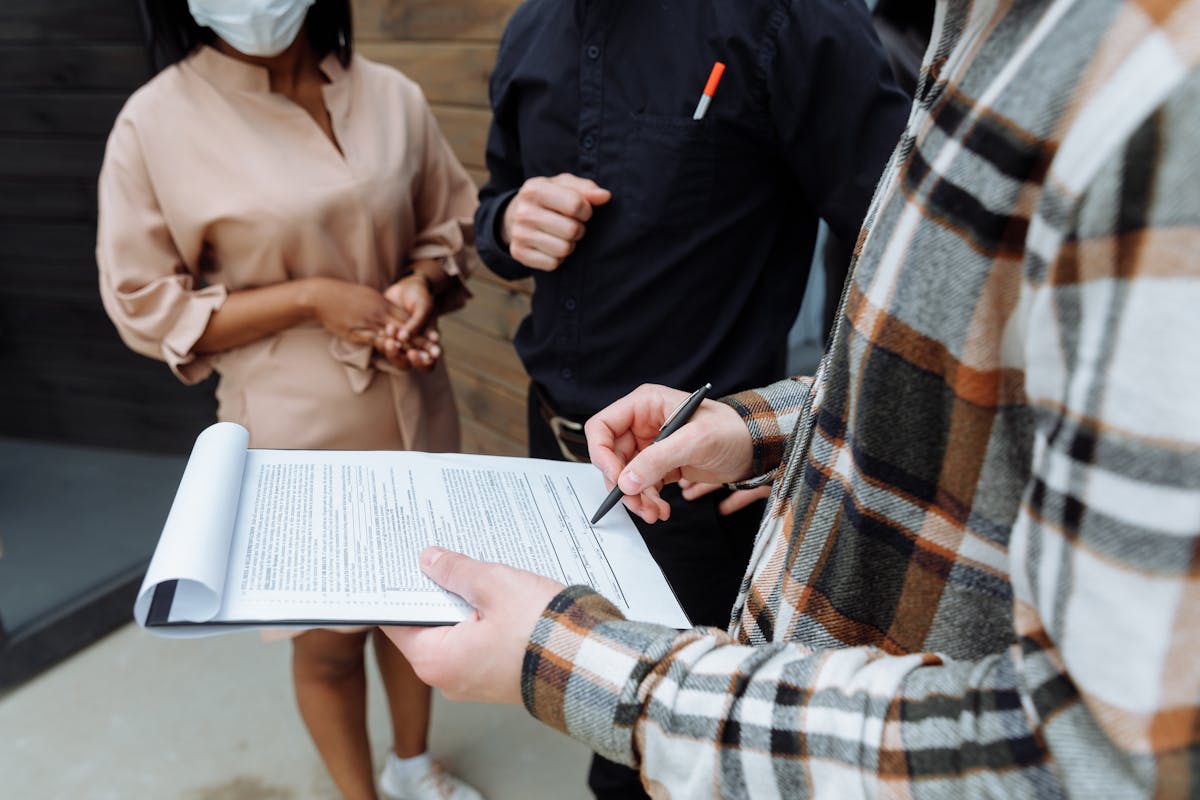
A witness signature is a signature added to a legal document by a neutral third party — the witness — who has observed the primary signer(s) signing the document. The witness confirms three things:
- The signer is who they claim to be (identity).
- The signer is signing of their own free will (no coercion).
- The signature on the document is genuine.
A witness does not need to understand the contents of the document — they are only attesting to the act of signing, not the validity of the agreement itself.
When Is a Witness Signature Required?
Not every document needs a witness — but certain high-stakes legal instruments almost always require one. Common examples include:
- Wills and last testaments — typically require two independent witnesses in most jurisdictions.
- Power of attorney documents — the person granting power of attorney must usually sign in front of a witness.
- Real estate and property transfers — deeds and mortgage agreements often require witnessed signatures.
- Affidavits and statutory declarations — sworn statements often need a witness or qualified commissioner.
- Trust documents — setting up a trust typically requires at least one witness.
- Loan and finance agreements — some lenders require witnessed signatures on personal guarantees.
- Verbal agreement confirmations — when a spoken agreement is being put into writing for the first time.
Pro tip: Always check the specific laws in your country and state/province. Requirements vary — a will that needs two witnesses in the UK may need only one in certain US states.
Who Can Be a Witness?
Not just anyone can serve as a legal witness. To be valid, a witness must meet all of the following criteria:
- Age: Must be at least 18 years old (16 in some jurisdictions).
- Mental capacity: Must be of sound mind and understand what they are witnessing.
- Independence: Must not be a party to the contract, an immediate family member of a signatory, or someone who benefits from the document.
- Not a beneficiary: Witnesses to wills especially cannot be beneficiaries — it can invalidate both the witness clause and their inheritance.
- Clean record: Certain formal documents may require witnesses with no relevant criminal convictions.
- Present in person: The witness must physically observe the signing, not merely confirm a pre-signed document.
Common mistake: Having a spouse or family member witness your will is one of the most frequent errors — and it can make your will legally challengeable. Always use an independent witness.
Requirements for a Valid Witness Signature
For a witnessed signature to hold up legally, the following must be in place:
- Simultaneous presence: The witness must be physically present at the moment of signing — not simply told about it afterwards.
- Identity confirmed: The signer's identity should be verifiable (ID check, personal knowledge, or formal verification).
- Voluntary signing: There must be no duress, pressure, or incapacity at the time of signing.
- Complete signature: The document should be fully filled in before signing — no blank spaces that could be altered later.
- Correct ink: Most jurisdictions require black or blue ink for legal documents — avoid red, green, or pencil.
- Legible witness details: The witness typically provides their full name, address, and sometimes occupation alongside their signature.

Witness Signature vs Notary — What's the Difference?
People often confuse witnesses and notaries. Both verify signatures, but they operate very differently:
| Feature | Witness | Notary Public |
|---|---|---|
| Who they are | Any qualified independent adult | State-appointed official with a commission |
| What they verify | That they observed the signing | Identity, willingness, and signature authenticity |
| Official seal | No | Yes — stamped, embossed, or digital seal |
| Cost | Free | Typically $5–$15 per signature |
| Required for | Wills, POAs, most contracts | Real estate deeds, international documents, court filings |
| Legal weight | Standard legal validity | Higher — accepted internationally |
Digital & Electronic Witness Signatures
As remote work and digital contracts became mainstream, many jurisdictions updated their laws to allow electronic witnessing. Here's how it works:
- Video conferencing witnessing: In many US states, UK, Australia and the EU, a witness can observe signing via a live video call (Zoom, Teams, etc.). The witness still countersigns electronically immediately after.
- E-signature platforms: Services like DocuSign and Adobe Sign support witnessed e-signatures with full audit trails — timestamps, IP addresses, and signer authentication.
- Browser-based signing: Tools like our own Digital Signature Generator and Sign PDF Online let you create and apply your signature to documents in seconds, without software installation.
Using e-signatures for witnessed documents? Make sure your jurisdiction explicitly permits electronic witnessing for your document type. Wills in particular often still require physical (wet ink) signatures and witnesses in many regions.
How to Sign Documents for Free Online
Whether you're the primary signer or acting as a witness, Free Digital Utilities gives you the tools to sign any document without printing, scanning, or installing software:
- Digital Signature Generator — Draw, type, or generate an AI handwritten signature. Download as PNG or apply directly to a PDF.
- Sign PDF Online — Upload any PDF, place your signature precisely, and download the signed file instantly. 100% private — nothing is uploaded to a server.
- Sign Word Document Online — Add your signature to a .docx file and download the signed Word document.
All tools are completely free, require no account, and run entirely in your browser.
Frequently Asked Questions
Can my spouse be a witness to my signature?
For most everyday contracts, yes — a spouse can technically serve as a witness. However, for wills and power of attorney documents, using a spouse or family member is strongly discouraged and may invalidate the witnessed clause in some jurisdictions. Always use an independent adult who has no interest in the document.
Does a witness signature make a contract legally binding?
A witness signature doesn't create a contract — the contract is formed by offer, acceptance, and consideration between the parties. The witness signature simply confirms the authenticity of the signatures, which adds an evidentiary layer that's valuable if the contract is ever disputed in court.
How many witnesses does a will need?
In most common-law countries (UK, USA, Canada, Australia), a will requires two independent witnesses who are present at the same time and who both sign after watching the testator sign. Check your local jurisdiction's Wills Act for the exact requirement.
Can a witness sign before the main signer?
No — a witness must sign after they have observed the primary signer executing the document. A witness who signs first has not technically witnessed anything and their signature may be invalid.
What happens if a witness signature is missing?
The document may be unenforceable or challengeable in court, especially for wills, power of attorney, and deeds. In some cases a court can still uphold a document missing a witness, but it significantly raises the burden of proof. Always get the required witness signatures before the parties separate.
Summary
A witness signature is a straightforward but legally important step that verifies the authenticity of a signed document. The key points to remember:
- A witness must be an independent, mentally capable adult with no interest in the document.
- The witness must be physically (or in some cases electronically) present during the signing.
- Witnesses and notaries serve similar but distinct purposes — notaries carry greater official weight.
- Electronic witnessing is increasingly accepted but rules vary by document type and jurisdiction.
- You can create and apply your signature digitally for free using our browser-based tools — no account, no download.
Ready to sign? Use our free digital signature generator to create a professional signature in seconds.